VFD & EFD in Tanzania 2026: Fiscal Receipt Guide
VFD and EFD in Tanzania explained: who must issue a TRA fiscal receipt, the TZS 11 million turnover threshold, and how to choose an approved supplier.
Retail & restaurants, Dar es Salaam, Tanzania
What are EFD and VFD?
Walk through Kariakoo on a weekday morning and watch what happens after a sale. The customer pays, then waits, and not for change. He wants the receipt. In Tanzania, the receipt that counts is not the slip your till prints for your own records: it is the fiscal receipt, registered with the tax authority, and issuing it properly is what keeps a duka, a mgahawa, or a hardware store on the right side of a tax check.
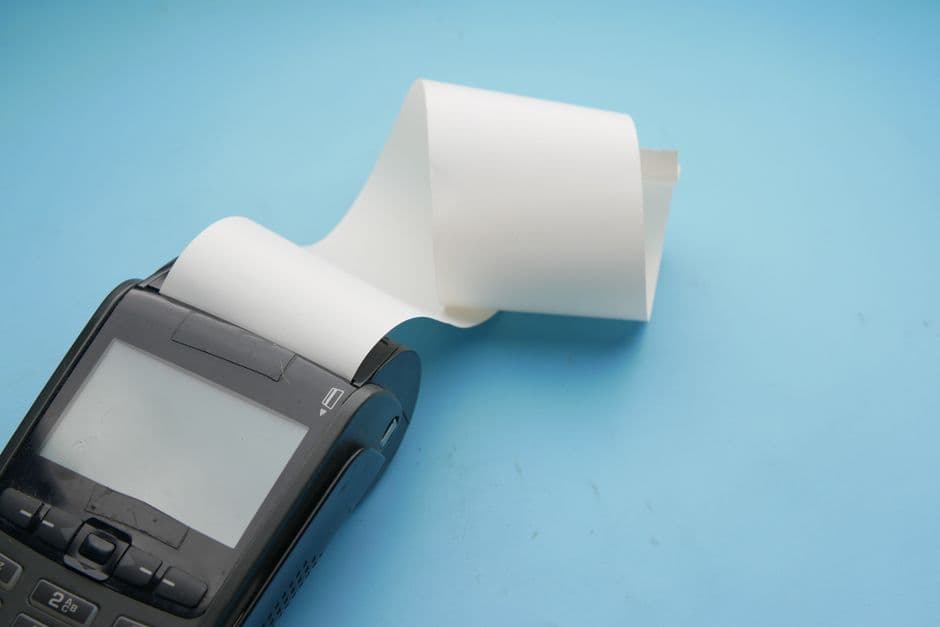
Behind that receipt sits the Tanzania Revenue Authority (TRA) and its Electronic Fiscal Device Management System (EFDMS), the system that tracks sales in real time. For years, being connected to it meant one thing: buying a physical Electronic Fiscal Device (EFD), a small fiscal printer that stamps each receipt and reports the sale. You have seen these machines on counters from Dar es Salaam to Mwanza and Arusha. They do the job, but they are one more box to buy, feed with paper rolls, and repair when they fail.
The newer route is the Virtual Fiscal Device (VFD). Same legal result, no dedicated machine. A VFD is software: it removes the need for a physical EFD and connects directly to the TRA portal to issue a valid fiscal receipt or fiscal invoice. Under the hood it communicates with the TRA over an HTTP API using XML, which means it can work alongside the POS or billing software you already use. Your system sends the invoice to the TRA, the TRA validates it, and your customer walks away with a receipt as official as anything a physical device prints.
If the acronyms feel heavy, hold on to this: an EFD is a machine, a VFD is software, and both exist so that every taxable sale reaches the TRA. Which one suits your business is a practical question, not a legal one, and this guide takes it step by step.
Who must issue fiscal receipts, and from when?
The rule itself is short. A person who supplies goods, renders services, or receives payment with an annual turnover assessed at TZS 11 million and above must acquire and issue a fiscal receipt or fiscal invoice using an EFD or VFD from a TRA-approved supplier.
Read that threshold twice, because it is lower than many owners assume. Eleven million shillings a year works out to less than a million shillings of sales a month. A busy duka, a food stall with a regular lunch crowd, a salon with a steady chair: plenty of businesses cross that line without ever feeling big. Note also that the threshold is about turnover, not profit. A shop moving cheap goods on thin margins is measured exactly the same way as a boutique with comfortable ones.
Once you are over the line, issuing TRA fiscal receipts stops being optional. In practice, the pressure does not come only from the authority. Customers ask for the receipt, and business customers insist on it: a company buying supplies from you needs a fiscal receipt for its own books, and if you cannot produce one, the next order quietly goes to a competitor who can. A proper fiscal receipt has become part of looking like a serious supplier, the way a signboard or a printed price list once was.
If you are still under the threshold, prepare instead of waiting. Record your sales cleanly now, so that the day you cross TZS 11 million you learn it from your own numbers, calmly, instead of discovering it during a TRA visit. Growth is a good problem, but only if you see it coming.
VFD vs physical EFD: which suits you?
Both options keep you compliant. The difference lies in what you buy, what can break, and what the next three years will cost you.
- Physical EFD: a dedicated fiscal printer or device from an approved supplier. It is the familiar choice, sitting on counters across the country. It is also extra hardware: you pay for the unit, you keep it stocked with paper rolls, and when it fails you wait for a technician while receipts pile up. - VFD: a software fiscal device that connects to the TRA portal directly. There is no separate machine to buy. It integrates with your existing billing or POS software through the TRA’s API, so the fiscal receipt comes out of the workflow you already have.
For a shop that runs on a phone or a tablet, or a business that already does its billing in software, the VFD is usually the lighter and cheaper route. That is why approved VFD providers have multiplied across Tanzania: the market moved toward software for the same reasons it moved toward mobile money. Less hardware on the counter, fewer trips to the repair shop, nothing extra to carry when you move premises.
The physical EFD still has its place. Some owners prefer a standalone machine that does not depend on their other tools, and some approved suppliers offer strong local support that is worth paying for. There is no single right answer for every counter in the country.
One question is worth asking any supplier before you sign, whichever route you take: what happens to my receipts when the device breaks or the connection drops? The quality of that answer tells you more about the supplier than the brochure does.
How to comply
The path to compliance has three steps, and none of them requires a consultant.
1. Register with the TRA for fiscalisation and obtain a TIN if you do not already have one. 2. Choose an approved EFD or VFD from the TRA’s list of approved suppliers. 3. Issue a fiscal receipt or invoice for every taxable sale, transmitted to the TRA.
The step where people lose money is the second one. Tanzania has a lively market of device sellers and software vendors, and not everything on offer is approved. A device that is not on the TRA’s list does not make you compliant, whatever the seller promises, and the money spent on it is simply gone. Check the official list on the TRA website before any cash changes hands, and check it yourself rather than trusting a screenshot from the vendor.
When you compare suppliers, ask the unglamorous questions. What does support cost after the first year? How quickly do they replace a failed unit? For a VFD provider, how does their software connect to the till you already use, and who does the setup? A supplier who answers precisely is usually a supplier who will still answer the phone next year.
The third step then becomes routine: every taxable sale gets its fiscal receipt, at the moment of sale, not later when things calm down. The habit takes a week to build, and it is the whole point of the system. Half-compliance, where receipts only come out when the customer looks like an inspector, is the most dangerous position of all: you carry the cost of the device and the risk of the gap at the same time.
How digabloPos fits into your TRA compliance
digabloPos runs your till, stock, staff, and reports in Tanzanian shillings, in Swahili and English, and it keeps working offline, which matters when the network drops in the middle of a busy afternoon. It records M-Pesa, Tigo Pesa, Airtel Money, and HaloPesa as separate payment methods, so your evening count matches what each phone says, channel by channel. What you get is a structured, reliable sales base: every sale, every item, every payment method, in one place.
One thing must be said plainly, because not every vendor in this market says it: digabloPos is not itself a TRA-approved EFD/VFD and does not issue the fiscal receipt. The fiscal receipt is issued through an approved EFD or VFD connected to the TRA. A POS provider who lets you believe otherwise is setting you up for a bad surprise.
So how do the two fit together? Simply. digabloPos handles the daily running of the shop: what sold, what is left on the shelf, who was on the till, how much came in through M-Pesa versus cash. Your approved EFD or VFD handles the fiscal receipt. At the end of the day, and on the day the TRA asks questions, you hold two sets of numbers that should tell the same story. A clean sales base is what makes that comparison take minutes instead of a weekend.
Owners who reconcile daily catch problems while they are still small. A gap between the till and the fiscal device shows up the same evening, when memories are fresh and the fix is quick. That habit, more than any single machine, is what makes TRA compliance feel calm instead of stressful.
What does an EFD or VFD cost?
Prices vary by supplier and by model, which is exactly why the TRA publishes a list of approved suppliers rather than a single price sheet. What you can compare before spending anything is the shape of the cost.
A physical EFD is an upfront purchase followed by running costs that owners tend to underestimate: paper rolls, servicing, spare parts, and eventually replacement. It is also one more device to keep charged when the power goes, and one more thing to lock away at night. None of these costs is huge on its own; together, over a few years, they add up to real money.
A VFD from an approved provider is typically priced like software: an integration or a subscription rather than a box on the counter. There is no paper-fed machine of its own to maintain, and improvements arrive as updates. For a business already running its billing on a phone, tablet, or computer, the extra cost of going fiscal this way is usually the smaller of the two.
Whichever direction you lean, get quotes from at least two or three approved suppliers before deciding. Same list, same legal effect, noticeably different prices and support terms. Put the numbers side by side over three years, not one, because the cheap device with expensive support usually loses that comparison.
When you read a quote, look past the sticker price. Ask whether installation is included, whether your staff will be trained on the device or the software, what a call-out costs when something stops working, and, for a physical EFD, who supplies the paper rolls and at what price. The suppliers worth keeping answer these questions in writing without being chased.
And weigh it all against the cost of staying outside the system: business customers you cannot invoice properly, and the exposure that comes with a TRA check. Compliance has a price, but it is a known, plannable price. The other kind is not.
Mistakes to avoid, and where to start
Four mistakes come up again and again in Tanzanian shops going fiscal.
The first is buying a device that is not on the approved list. It looks like a fiscal printer, it prints something that looks like a receipt, and legally it counts for nothing. Verify the supplier on the TRA website yourself, every time.
The second is waiting until the last moment. Owners who cross the TZS 11 million threshold and then scramble end up choosing a supplier under pressure, which is how bad contracts get signed. Start comparing while the decision can still wait a few weeks.
The third is confusing the internal ticket with the fiscal receipt. Your POS can print an order slip for the kitchen or a summary for your own records; the fiscal receipt handed to the customer must come from the approved EFD or VFD. Keep the two roles clear in your head and in your staff training, and the confusion disappears.
The fourth is keeping no records of your own. If the only trace of your sales lives inside the fiscal device, you have nothing to check it against, and no view of your stock, your margins, or your staff. The fiscal device serves the TRA; you also need numbers that serve you.
Where to start, concretely: sort out your TIN, open the TRA’s supplier list, request two or three quotes, and in parallel put your daily sales on a proper till. digabloPos is free to start, works in Swahili and English, and keeps selling when the network does not. By the time your fiscal device is installed, your numbers will already be clean, and connecting the two halves of your compliance will be the easy part.
Frequently asked questions
Who must issue fiscal receipts in Tanzania?
Any business with an annual turnover assessed at TZS 11 million and above must issue fiscal receipts or invoices using an EFD or VFD from a TRA-approved supplier.
What is the difference between an EFD and a VFD?
An EFD is a physical fiscal device (a fiscal printer), while a VFD (Virtual Fiscal Device) is software that connects directly to the TRA portal to issue valid fiscal receipts, no physical device needed.
How do I comply with TRA fiscalisation?
Register with the TRA, obtain a TIN, choose an approved EFD or VFD from the TRA's supplier list, and issue a fiscal receipt for every taxable sale.
Also on digabloPos
Sources and references
Run your Tanzanian shop on a clean, free till
digabloPos manages sales, stock, and reports in shillings, in Swahili and English, offline and free of charge. A structured sales base that makes TRA reconciliation quicker every single day.
Try for free