How to Price a Restaurant Menu for Profit in Lagos (2026 Guide)
A practical guide to pricing your restaurant menu for profit in Lagos: food cost percentage, menu engineering, handling Naira inflation, psychological pricing, and using a POS to price with real data.
Retail & restaurant tech, Lagos, Nigeria
Start with the truth: what each plate actually costs you
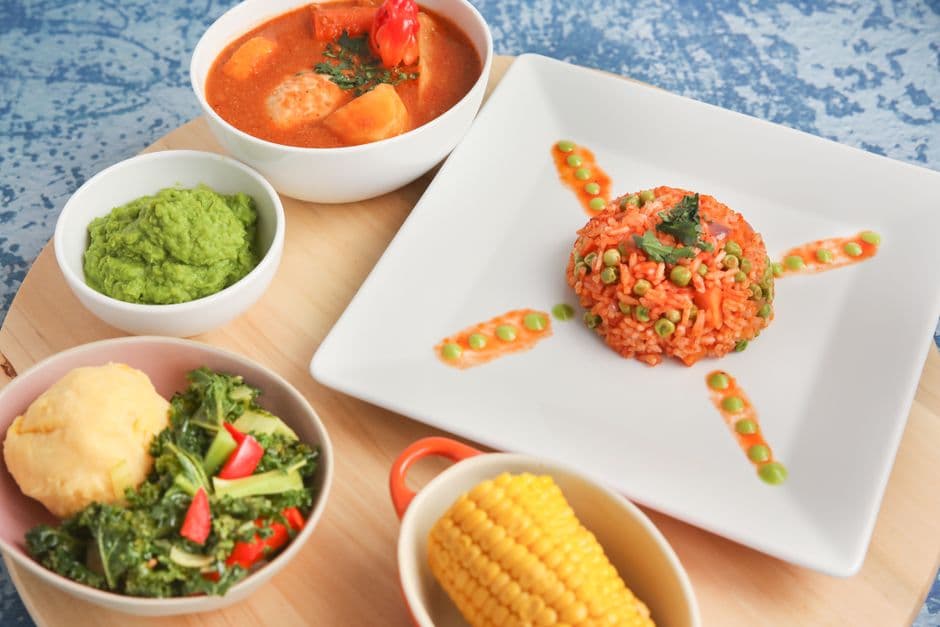
You cannot price a dish until you know what it costs to make. That means breaking down a plate into its ingredients and their real, current prices. Take a plate of jollof rice and chicken: the rice, the oil, the tomatoes and pepper, the seasoning, the piece of chicken, the gas to cook it, and even the takeaway pack if it is a delivery order. Add those up and you get your cost per plate, your "food cost." In Lagos this number is a moving target because supplier prices shift constantly, so you need to revisit it regularly, not once a year. If you do not know your cost per plate, every price you set is a guess, and some of your best-selling dishes may quietly be losing you money on every order.
The food cost percentage: the number that decides your price
Once you know the cost of a plate, pricing becomes maths instead of guesswork. The tool professionals use is the food cost percentage, the share of the selling price that goes to ingredients. Many restaurants aim for roughly 30-35%, meaning ingredients should be about a third of the price. If your jollof and chicken costs ₦1,200 in ingredients and you target a 30% food cost, you divide 1,200 by 0.30 and get a selling price around ₦4,000. That remaining share is not pure profit, it must still cover rent, salaries, diesel, gas, packaging and losses, but the percentage keeps you disciplined. Dishes with expensive protein (fish, beef, chicken) usually need a higher price to hit the same target, while rice- and starch-heavy dishes have more room. Knowing this stops you from underpricing your most expensive plates.
Do not just copy the competitor down the road
It is tempting to look at the eatery nearby and match their prices. But their costs are not your costs: they may buy in bigger volume, own their building, cook with a cheaper energy source, or serve smaller portions. If you copy their price without knowing your own numbers, you can easily end up selling at a loss while they make money. Use competitors for context, you should know roughly where the market sits so you do not price yourself out, but let YOUR food cost set the floor. The goal is a price the market accepts AND that covers your real costs with margin to spare. Pricing is a balance between what customers will pay and what you must earn; never let it be only one of the two.
Use pricing psychology (it is not a trick, it is presentation)
How a price looks changes how customers feel about it. A few simple, honest techniques help. Charm pricing, ₦3,950 instead of ₦4,000, reads as noticeably cheaper even though it is almost the same. Avoid cluttering the menu with the naira sign and decimals everywhere; a clean "3,950" is easier to accept than "₦3,950.00". Place a premium "anchor" dish near the top so your mid-priced dishes look reasonable by comparison. Describe dishes with appetising words ("smoky party jollof", "peppered chicken"), a good description justifies a higher price. None of this is deception; it is presenting fair prices in the most appealing way, the same way every strong brand does.
Protect your margin with portion control
The best pricing in the world fails if your portions are inconsistent. If one cook serves a generous scoop and another piles the plate high, your food cost swings wildly and your careful pricing collapses. Standardise portions, a measured scoop, a set number of pieces, a fixed pack size, so every plate costs what you calculated. This also keeps customers happy, because they get the same value every time. Portion control is one of the quiet levers that separates restaurants that survive Lagos inflation from those that do not: it turns your food cost from a guess into a number you actually control.
Handling Naira inflation without scaring customers
Inflation is the hardest part of pricing in Lagos, and reacting badly to it loses customers. A few principles help. First, review your food cost regularly so a price rise is a small, timely adjustment rather than a sudden shock. Second, avoid one big jump; smaller, occasional changes are easier for customers to accept. Third, protect popular price points, if ₦4,000 is a psychological line for your jollof, consider slightly trimming the portion or cost before crossing it. Fourth, add value where you can (a better description, a small side) so a higher price feels justified. The mistake is to keep old prices while your costs climb, that is how a full restaurant slowly bleeds to death without the owner noticing.
Increase the average spend with combos and upsells
Pricing is not only about the price of one dish, it is about how much each customer spends in total. Combos (a plate plus a drink at a set price) and upsells (an extra piece of chicken, a side of plantain, a bigger size) raise the average ticket without needing more customers through the door. Design a combo so it looks like a deal to the customer while still protecting your margin. Train staff to suggest a drink or a side naturally. Even a small increase in average spend per table, multiplied across a busy Lagos evening, adds up to serious money over a month, often more than a risky across-the-board price hike would.
Price with data: let your POS tell you what really sells
You cannot do menu engineering, spot a loss-making dish, or judge a price change from memory. This is where a point-of-sale (POS) system becomes a pricing tool, not just a cash register. A POS records every order, so it can show you your best-sellers, your slow movers, your busiest hours, and how a price change affected sales. After you adjust a price, the reports tell you whether volume held up or dropped. Instead of arguing about "I think people order this a lot", you look at the numbers. In a market as fast-moving as Lagos, pricing with real sales data, rather than gut feeling, is one of the biggest advantages a small restaurant can give itself.
Getting paid in Lagos: cash, transfer, Opay, Moniepoint, PalmPay
Pricing only matters if you actually collect the money cleanly. In Lagos, customers pay in many ways: cash, bank transfer, and mobile money apps like Opay, Moniepoint and PalmPay, plus card on a POS terminal. Your system should let you record each payment method separately so your end-of-day figures are accurate and you can confirm the money received matches your sales. Mixing everything into one pile is how discrepancies and "missing" money appear. Clear payment records also make it far easier to reconcile at night and to prepare for tax, VAT and FIRS obligations depend on how big your business is, but keeping clean sales records is always to your advantage.
Comparing your options for tracking sales and pricing
To price with data you need to record sales somehow, and there are three broad routes. First, pen and paper or a spreadsheet: cheap, but slow, error-prone, and useless for spotting which dish is a "dog" in real time. Second, international POS apps built for other markets: powerful, but sometimes online-dependent (a problem when NEPA and the network are unreliable) and not always tuned for naira, local transfers, or Opay/Moniepoint reconciliation. Third, offline-first mobile POS systems (like digabloPos) that run on an affordable Android phone, keep working during power and network cuts, record every payment method, and give you the sales reports pricing decisions depend on. The right question is not "which is the fanciest?" but "which one actually gives me reliable sales data in a Lagos kitchen?"
Price for delivery too: don’t let apps and packs eat your margin
More and more Lagos orders come through delivery apps like Chowdeck, Glovo and Bolt Food, and delivery quietly changes your economics. Two costs bite: the platform commission (a percentage of every order) and packaging (the takeaway pack, cutlery, bag). If you charge the exact same price on delivery as in-house, that commission and packaging come straight out of your margin, and a dish that is profitable at the table can become a loss on delivery. Smart restaurants either set a slightly higher delivery price to cover the commission and pack, or build packaging into the dish cost from the start. Track delivery orders separately so you can see their true margin, not a blended average that hides the problem. Delivery can genuinely grow your sales, but only if you price it deliberately, instead of treating it like a dine-in order that happens to travel across Lagos.
Conclusion: price like a business, not a guess
A busy restaurant is not the same as a profitable one, the bridge between them is pricing. In Lagos, with inflation and unreliable power, that bridge matters more than almost anywhere. Know your cost per plate, price from a food cost percentage, engineer your menu around what sells, protect your margins with portion control, and adjust for inflation in small, timely steps. Above all, price with real sales data instead of gut feeling, which is exactly what a good POS gives you. Do this and your full dining room will finally turn into money in the bank, month after month.
Frequently asked questions
What food cost percentage should a restaurant in Nigeria aim for?
Many restaurants target roughly 30-35%, meaning ingredients are about a third of the selling price. Protein-heavy dishes often need a higher price to hit the same target. The key is to base it on your real, current ingredient costs.
How do I raise prices without losing customers?
Review costs regularly and make small, timely adjustments instead of one big jump. Protect key price points by trimming cost or portion slightly, and add value (better description, a small side) so a higher price feels justified.
Should I just match the prices of nearby restaurants?
Use competitors for context, but never let them set your price. Their costs differ from yours. Let your own food cost set the floor, then position within what the local market will accept.
How does a POS help with menu pricing?
A POS records every order, so it shows your best-sellers, slow movers and busy hours, and reveals whether a price change hurt sales. That lets you price with data instead of guessing.
Can I start tracking sales for free?
Yes, digabloPos can start for free and works offline on an Android phone, recording cash, transfers and mobile money so your sales data (and therefore your pricing) is reliable.
Start tracking sales for free
Try digabloPos in your Lagos restaurant, it works offline, records Opay, Moniepoint and cash, and gives you the sales reports smart pricing depends on.
Try for free