Pharmacy Software in Nigeria 2026: Free & Offline
Pharmacy software in Nigeria for 2026: batch and expiry tracking, barcode dispensing, real-time stock and generic substitution. Free, offline, in naira.
Retail & restaurant tech, Lagos, Nigeria
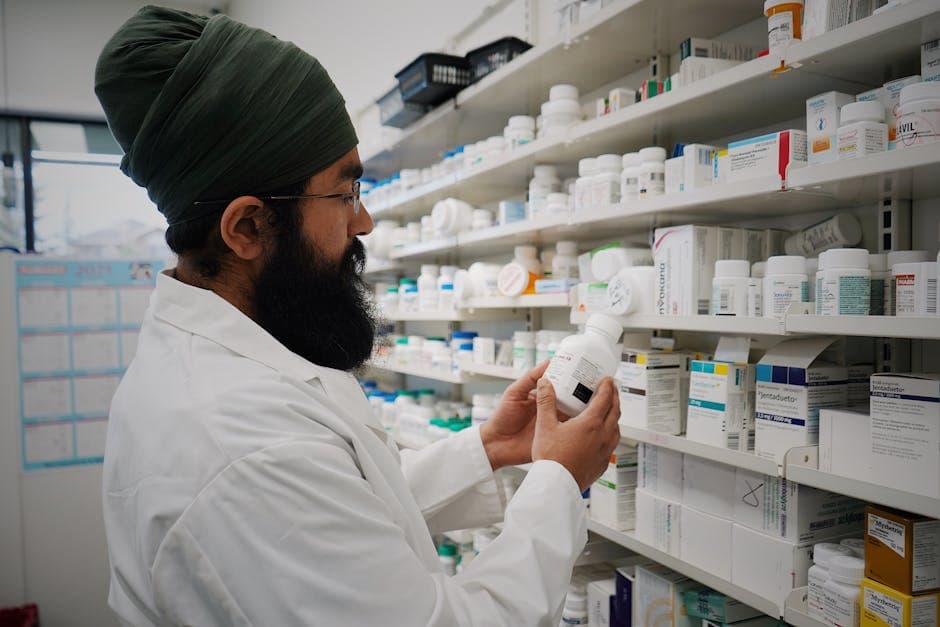
Why a pharmacy needs more than a generic till
Saturday evening in a chemist in Surulere. The rain started at four, malaria season is doing its rounds, and the queue at the counter is three deep. A woman hands over a prescription for an ACT and a course of paracetamol. While the attendant searches the shelf, NEPA takes the light, the generator next door coughs awake, and somewhere in the half-dark another customer asks whether the amoxicillin is the 250 or the 500.
That is an ordinary hour in a Nigerian pharmacy, and it is exactly why a generic till is not enough. A provisions shop can survive on an exercise book and a good memory. A pharmacy cannot, because every box on the shelf carries obligations a carton of noodles does not: it belongs to a batch, it has an expiry date, and if that batch is ever recalled, you need to know quickly what you received, what you dispensed and what is still sitting on the shelf.
Scale makes it harder. A pharmacy in Lagos, Abuja or Aba typically manages thousands of drug lines: the same molecule in three dosages, generic beside brand, two batches of the same product on the same shelf with different dates. Nobody holds all of that in their head. The exercise book holds it for a while, until the day it does not.
The cost of a mistake is not like the rest of retail either. When a boutique prices a shirt wrongly, it loses some margin. When a chemist dispenses an expired antibiotic, it loses money, endangers a patient and commits a professional failure in the same transaction. Three problems, one sale.
Good pharmacy software does not add work to that Saturday evening. It turns the obligations into a routine that runs on its own: batches captured when stock arrives, the earliest expiry sold first, an alert before a box dies quietly at the back of the shelf. The rest of this guide goes through what that looks like at a Nigerian counter, what it costs, and where to start.
Batch and expiry tracking that protects margin and patients
Ask any pharmacist where money leaves the business quietly, and the honest answer is the back shelf. A carton bought on a good wholesale deal, pushed behind newer stock during a busy week, rediscovered months later with six weeks left on the date. By then the options are a rushed markdown or a write-off, and neither one feels good.
Managing expiry by hand across thousands of lines is nearly impossible, which is why batch tracking is the first thing to demand from pharmacy software, before the reports and the pretty dashboards. digabloPos tracks batches and expiry dates natively and applies FEFO: first expired, first out. When an attendant sells a product that exists in two batches, the system points to the batch that dies sooner. The newer one waits its turn instead of jumping the queue because it happened to be stacked in front.
The second half of the job is the alarm. You set the warning threshold per product, for example 90 days before expiry for slow-movers and 30 days for fast-movers, and digabloPos warns you while there is still time to act. Ninety days is enough to run a small promotion, push the product at the counter, or return the batch to your supplier under whatever arrangement you have with them. Zero days is enough for nothing.
Then there is the day every pharmacist hopes never comes: a recall. The questions are immediate and specific. Did you receive that batch? How much did you sell? How much is still on the shelf? On paper, answering takes an afternoon of digging and guessing. With batch tracking, it is one search.
Pharmacies typically lose 1 to 3% of stock to expiry every year. On a shop holding millions of naira in stock, that is not a rounding error, it is a salary. The same discipline that protects patients hands that money back.
digabloPos for pharmacies: free, offline, naira
Most software with the word "pharmacy" in its name arrives with a subscription attached. digabloPos makes the opposite bet: the core a Nigerian pharmacy needs, at no monthly cost, running on the Android phone or tablet you already own.
That core covers:
- Batch and expiry tracking with FEFO and automatic alerts, as described above. - Barcode dispensing: scan the box, confirm on screen that it is the right drug, log the sale. Fewer dangerous mix-ups between products with similar names and near-identical packaging. - Real-time inventory with low-stock alerts, so the ACTs and antihypertensives your regulars come back for every month never quietly run out. - Customer records, useful for repeat patients on chronic treatments and for the credit you extend to families you have known for years. - Every payment in its own lane: cash, bank transfer, OPay, PalmPay, Moniepoint, each recorded as its own method, so the evening count compares your alerts against the till channel by channel.
Underneath all of it, the app works fully offline. When NEPA takes the light and the router goes dark with it, the till keeps selling on the phone’s battery and syncs by itself once power returns. The patient who walks in for a malaria treatment at 9 p.m. during an outage is served like any other.
Prices, receipts and reports are in naira, formatted properly, and the app runs on any Android. The Tecno, Infinix or Samsung already in your pocket is enough to open on.
Specialised pharmacy suites exist in Nigeria, VirtualRx and Perfect Pharmacy Manager among them, and they are capable products. They are also paid. For the core of a chemist’s day, dispensing, stock, expiries and payments, digabloPos does the work for free, and for a small or newly opened pharmacy that changes the whole calculation.
Scan a box and identify the drug automatically
Here is the part that surprises pharmacists the first time they see it. Most software makes you type every drug in before it recognises anything: name, dosage, barcode, one line at a time, for thousands of lines. That data entry alone kills many computerisation projects before they start.
digabloPos ships with a built-in medication catalogue of more than 370,000 references. Scan the barcode on a pack and the product identifies itself. The name fills in on its own, and for a lot-managed product, scanning the small square code printed on many medicine boxes, the 2D Data Matrix, reads the batch number and expiry date straight off the box. Receiving a delivery stops being an evening of typing: scan, confirm, next carton.
The catalogue is built from official public databases, including the UK NHS dm+d, which matters more in Nigeria than almost anywhere, because a large share of the medicines on your shelf are imported from the UK. US data (openFDA) and French sources round it out. A pack of UK-sourced stock scans and resolves on the first try.
And when a pack is not recognised yet, which happens most often with India-sourced generics, something quietly useful happens: the first pharmacy that creates the product enriches a shared, anonymised catalogue. The next chemist in Kano or Port Harcourt who scans the same box gets the product automatically, already named. Your sales and your stock stay yours; only the product identity is shared. Where no barcode database existed for this market, one is building itself, one scan at a time.
Offer the same-molecule alternative when a drug is out of stock
A customer asks for a brand you finished yesterday. In an ordinary shop, that sale walks across the road. In a pharmacy it is worse, because the patient leaves without a treatment they may need tonight.
digabloPos handles that moment at the counter. When a product is out of stock, the screen shows the items in your own stock that share the same molecule, the International Nonproprietary Name behind the brand. The branded paracetamol is finished? Up come the other brands and generics of paracetamol you actually have, one tap to add the substitute to the cart. The patient leaves treated, the sale stays in the shop, and nobody spent ten minutes reading the fine print on boxes at the shelf.
In a market where the same molecule can exist under a dozen brand names, and where stock-outs at the wholesaler are part of normal life, this single feature earns back the setup effort on its own.
Two details matter. It works offline, because the molecule is attached to each product the moment the catalogue recognises it, not fetched from the internet at the time of sale; the substitution list appears even mid-outage. And the pharmacist keeps the final word: this is an aid to selling and advising, not an automatic swap. Professional judgement on any generic substitution stays where it belongs, with you.
Cost and getting started
Most dedicated pharmacy systems in Nigeria are paid products, by subscription or by licence, and hardware is often extra. Before signing anything, do the maths over a full year and ask what each naira actually buys you.
digabloPos keeps the core free for life: dispensing, batch and expiry tracking, the medication catalogue, stock, customer records, reports. Optional paid modules exist for needs that come with growth, and you switch one on only the day the need is real. Plenty of pharmacies never activate any.
The hardware list is just as short. Any Android phone or tablet runs the app. A Bluetooth thermal printer for receipts costs around ₦25,000 at Computer Village in Ikeja or online, and a basic USB barcode scanner, the one purchase that truly earns its keep in a pharmacy, sits in the same range. No proprietary terminal, no hardware rental hiding in a contract.
Getting started takes an afternoon rather than a project: download digabloPos, add your drug lines (batches, expiry dates and barcodes, mostly by scanning), set the naira and your payment methods, and dispense.
One compliance note for 2026: if your pharmacy is VAT-registered, FIRS e-invoicing applies. digabloPos keeps your sales and stock organised and consistent, while the cleared or reported invoice goes through the FIRS channel. Clean records at the till make that obligation lighter, not heavier.
The mistakes that quietly drain a pharmacy
Software fixes less than people hope when the habits around it stay wrong. The same few mistakes come up again and again in Nigerian pharmacies, computerised or not.
Choosing software that needs the internet to sell. The demo looks great on the vendor’s Wi-Fi. Then NEPA takes the light for two days, data finishes on the shop phone, and you are back to paper while your "system" waits for a signal. After that week, the stock figures no longer match reality and trust in the tool dies. Ask the vendor one question before paying: if the internet disappears for two days, what do I lose? The only acceptable answer is nothing.
Receiving deliveries without entering the batches. If cartons go straight to the shelf and batch entry is left "for later", your expiry alerts protect a fiction. The scan-to-receive workflow exists precisely so this step takes seconds instead of an evening.
Confirming transfers from the customer’s screen. A screenshot takes thirty seconds to fake, and closing rush is exactly when it appears. Confirm every transfer on your own alert or merchant app, never on the phone being waved at you.
Letting wallet money mix with cash. When OPay, PalmPay, Moniepoint and cash all melt into one drawer total, a missing ₦5,000 has nowhere to show up. One payment method per channel, and a channel-by-channel comparison every evening.
Never counting the shelf. The system says 42, the shelf says 37, and nobody looks. A rotating count, even one shelf per week, catches leaks while they are small. In a pharmacy, it also catches the expired box that somehow made its way back to the front.
Your first month, week by week
Do not try to computerise the whole pharmacy in one weekend. The shops that succeed do it in layers, while the counter keeps serving.
Week one: enter your fifty fastest movers, the ACTs, the paracetamol, the antibiotics, the antihypertensives that come up every single day. Scan the barcodes so the catalogue does the naming, then add batches and dates. Keep the exercise book running alongside; it costs nothing and it reassures.
Week two: sell only through the app. When a product that is not yet in the system reaches the counter, scan it and add it on the spot; every sale grows your base. By the end of the week, the evening report and the drawer should already be having honest conversations.
Week three: bring in the rest of the stock, shelf by shelf, with batches and expiry dates. This is the slow part, and the part that pays for itself the day an alert flags a carton you had forgotten about.
Week four: set a PIN per staff member, so every sale, discount and cancellation carries a name. Define low-stock thresholds on the products that must never run out. Then run your first full reconciliation, channel by channel, alerts against till.
After a month, the pharmacy runs on real numbers: what sold, what expires soon, what needs reordering, what should be in the drawer tonight. The test costs nothing, since the core of digabloPos is free, and it was built for counters where the light goes and the queue does not.
Frequently asked questions
Does digabloPos track drug batches and expiry dates?
Yes. digabloPos tracks batches and expiry dates natively and supports FEFO (first-expired, first-out), with alerts so you act before stock expires.
Is there free pharmacy software in Nigeria?
Yes. digabloPos covers the core pharmacy workflow, batch and expiry tracking, barcode dispensing, real-time stock, and customer records, for free, in naira and offline.
How does it reduce dispensing errors?
Barcode dispensing identifies each drug instantly with its name, dosage, price, and stock, reducing dangerous mix-ups between similar-sounding medicines.
Can I scan a medicine box to identify it automatically?
Yes. digabloPos ships with a built-in catalogue of 370,000+ references (including the UK NHS dm+d, relevant for UK-imported drugs). Scanning the GS1 Data Matrix fills in the product name, batch number and expiry date with no manual entry.
Can it suggest an alternative when a drug is out of stock?
Yes. When a drug is out of stock, digabloPos shows the products in your stock with the same molecule (generic/INN) and lets you add one in a tap. It works offline, and the pharmacist keeps the final decision on any substitution.
Also on digabloPos
Sources and references
Run your pharmacy on a free, accurate till
Batch and expiry tracking, barcode dispensing and real-time stock, free and offline through NEPA outages, in naira. Set up digabloPos on any Android in minutes.
Try for free